Stylish Text vs Regular Text: Does Typography Affect Attention?
Every day, people scroll through hundreds of posts, ads, messages, and headlines. In that constant stream of content, some text immediately catches the eye while other text fades into the background. Although content quality remains important, the way text is presented can influence whether someone pauses long enough to read it. This is where typography plays a powerful role.
From social media bios and marketing campaigns to website headlines and product promotions, typography shapes first impressions. Stylish text has become increasingly popular because it offers a way to stand out in crowded digital spaces. But does it actually attract more attention than regular text, or is it simply a visual trend? The answer lies in understanding how people process and respond to different text styles.
Key Takeaways
- Typography affects how quickly people notice and process information.
- Stylish text can help content stand out in crowded digital spaces.
- Regular text remains the best choice for readability and accessibility.
- Decorative typography works best when used strategically, not excessively.
- Combining stylish and regular text often produces the best results.
Why Typography Matters More Than Most People Think
Typography is more than choosing a font. It influences readability, perception, and the overall user experience. Before readers process the meaning of words, they notice visual elements such as size, shape, spacing, and style.
Research in visual perception suggests that people form impressions within seconds. A carefully chosen typeface can communicate professionalism, creativity, authority, or friendliness before a single sentence is read. This is why major brands invest heavily in typography as part of their visual identity.
In digital environments where attention is limited, typography can become the difference between content that gets noticed and content that gets ignored.
What Is the Difference Between Stylish Text and Regular Text?
Regular text refers to standard fonts commonly used in websites, articles, emails, and business communication. These fonts prioritize readability and accessibility, making them suitable for long-form content.
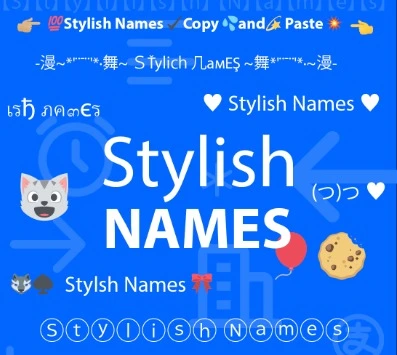
Stylish text uses decorative or visually distinctive characters designed to attract attention and create visual interest. These may include bold, cursive, gothic, aesthetic, script, or
Unicode-based text styles designed to create a stronger visual impact.
Many creators use a font generator to experiment with bold, cursive, gothic, and aesthetic text styles before publishing content. The goal is often to make profiles, captions, usernames, and promotional content more visually appealing while maintaining readability.
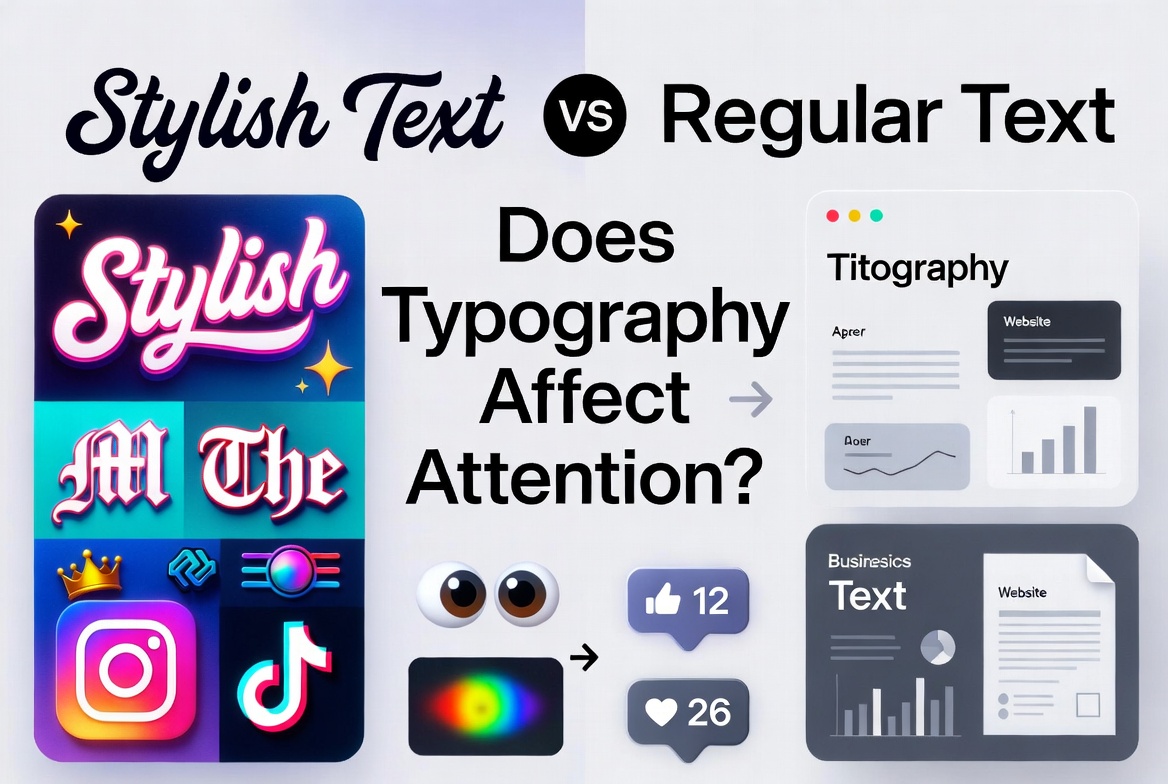
The key distinction is simple: regular text focuses on clarity, while stylish text focuses on attracting attention.
| Factor | Stylish Text | Regular Text |
Attention-Grabbing | High | Moderate |
Readability | Moderate | High |
Accessibility | Varies | High |
Social Media Appeal | High | Moderate |
Professional Use | Limited | Excellent |
Long-Form Content | Not Ideal | Ideal |
Brand Differentiation | Strong | Moderate |
If you’re looking to experiment with different typography styles before using them on social media, websites, or marketing materials, try the text styling tools available at Bratgen. Whether you need bold, cursive, aesthetic, gothic, or decorative Unicode text, the platform makes it easy to generate eye-catching text styles that help your content stand out while maintaining readability.
How Typography Influences Attention
Visual Contrast Captures the Eye
Human brains naturally notice contrast. When a piece of text looks different from surrounding content, it is more likely to draw attention.
Stylish text creates visual variation through unique character shapes and formatting. This variation can interrupt scrolling behavior and encourage users to take a closer look.
Novelty Encourages Users to Stop Scrolling
Digital users encounter similar layouts and font styles throughout the day. When a headline or profile uses a distinctive text style, it can introduce novelty into an otherwise predictable experience.
Novelty often increases curiosity, which can lead to higher engagement. However, the effect is strongest when used selectively rather than excessively.
Typography Influences Emotional Response
Different typefaces communicate different emotions. Script fonts may feel elegant, bold fonts may appear confident, and gothic styles may create a dramatic impression.
Because typography influences perception, readers often form assumptions about content before they begin reading. This psychological effect explains why typography plays such a significant role in branding and communication.
Research published in the journal Frontiers in Psychology and other typography studies suggests that font design can influence reading behavior, attention, and information processing.
When Stylish Text Improves Engagement
Stylish text can be effective when used strategically.
Social Media Profiles
Creators frequently use decorative text in bios and usernames to create a memorable identity. A unique profile can stand out among hundreds of similar accounts.
Promotional Headlines
Marketers often use distinctive typography in banners, announcements, and graphics to attract attention and reinforce branding.
Personal Branding
Stylish text can help individuals establish a recognizable online presence. When combined with consistent visual branding, it contributes to stronger audience recognition.
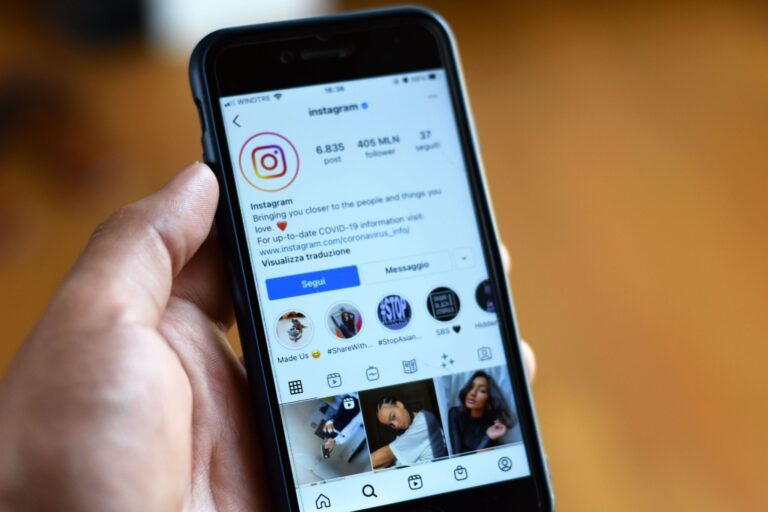
For example, many Instagram creators use decorative text in their bios to stand out from similar profiles, while keeping captions in standard text to ensure followers can read them comfortably.
| Scenario | Recommended Text Style |
Instagram Bio | Stylish Text |
TikTok Username | Stylish Text |
Social Media Caption | Stylish Text (Limited Use) |
Blog Article | Regular Text |
Business Website | Mostly Regular Text |
Marketing Banner | Combination of Both |
Product Description | Regular Text |
Calls to Action
Selective use of attention-grabbing typography can highlight important information and encourage user interaction.
When Stylish Text Becomes a Problem
While stylish text can attract attention, it also has limitations.
Reduced Readability
Some decorative styles are difficult to read, especially on smaller screens. If users struggle to understand text quickly, they may leave rather than engage.
Accessibility Concerns
Certain Unicode-based text styles may not work well with screen readers or assistive technologies. Accessibility should always be considered when choosing text styles.
Device and Platform Compatibility
Not all platforms display decorative characters consistently. A stylish font that appears attractive on one device may look distorted or unsupported on another.
Overuse Reduces Impact
When every headline, caption, and message uses decorative typography, the novelty disappears. What initially attracts attention can eventually become visual clutter.
What Research Says About Typography and Attention
Studies examining typography and visual attention consistently show that font choice affects how people process information. Factors such as legibility, spacing, and visual hierarchy influence reading behavior and comprehension.
Research also indicates that distinctive typography can attract attention more effectively than standard text in certain situations. However, increased attention does not always translate into better understanding.
Research on typography and visual perception suggests that font style, readability, and visual hierarchy all influence how users engage with content. While unique typography can attract initial attention, readability remains one of the strongest factors affecting comprehension and user satisfaction.
This is why successful communication often balances visual appeal with readability. A style that attracts attention but reduces comprehension may ultimately hurt engagement.
Best Practices for Using Stylish Text Effectively
Prioritize Readability
Attention is valuable only if readers can easily understand the message. Choose styles that remain clear across devices and platforms.
Use Stylish Text Sparingly
Reserve decorative typography for areas where attention matters most, such as headlines, profile names, or promotional content.
Match Typography to Audience Expectations
A playful social media account may benefit from creative typography, while a financial or legal website typically requires a more professional approach.
Maintain Visual Consistency
Consistent typography strengthens branding and improves recognition. Frequent style changes can confuse audiences and weaken brand identity.
Stylish Text vs Regular Text: Which One Wins?
The answer depends on the goal.
If the objective is readability, regular text is usually the better choice. It supports faster reading, better comprehension, and a more accessible user experience.
If the objective is attracting immediate attention, stylish text often performs better because it introduces visual contrast and novelty.
For most creators, marketers, and businesses, the ideal solution is not choosing one over the other. The most effective strategy combines both. Stylish text can capture attention, while regular text delivers information clearly and efficiently.
Typography is not simply a design choice. It is a communication tool that shapes how audiences perceive, understand, and interact with content. While stylish text can help content stand out in crowded digital environments, readability remains essential for meaningful engagement. The strongest results typically come from using typography with purpose—drawing attention where needed while ensuring the message remains easy to understand and accessible to the audience.