Sleep Tracking Ring: Smart Watch vs Smart Ring for Better Sleep Monitoring
Getting enough quality sleep is an important part of maintaining a healthy daily routine. However, knowing how well you sleep can be difficult without tracking your habits. You may spend eight hours in bed but still wake up feeling tired, or notice that your sleeping schedule changes throughout the week.
Wearable technology offers a convenient way to understand these patterns. Smartwatches and smart rings can collect information during the night, including sleep duration, heart rate, and other measurements related to rest.
A sleep tracking ring is becoming a popular option for people who want overnight monitoring without wearing a larger device on their wrist. Its compact design makes it convenient for users who prefer simple technology that works in the background.
However, when comparing a smart watch vs smart ring, there are several differences worth understanding. Both devices offer useful features, but their comfort, battery life, tracking capabilities, and everyday experience can vary.
This guide explains how sleep tracking rings work, compares them with smartwatches, and explores the features to consider when choosing a suitable wearable device.
What Is a Sleep Tracking Ring?
A sleep tracking ring is a wearable electronic device designed to collect information about sleeping patterns and selected wellness measurements.
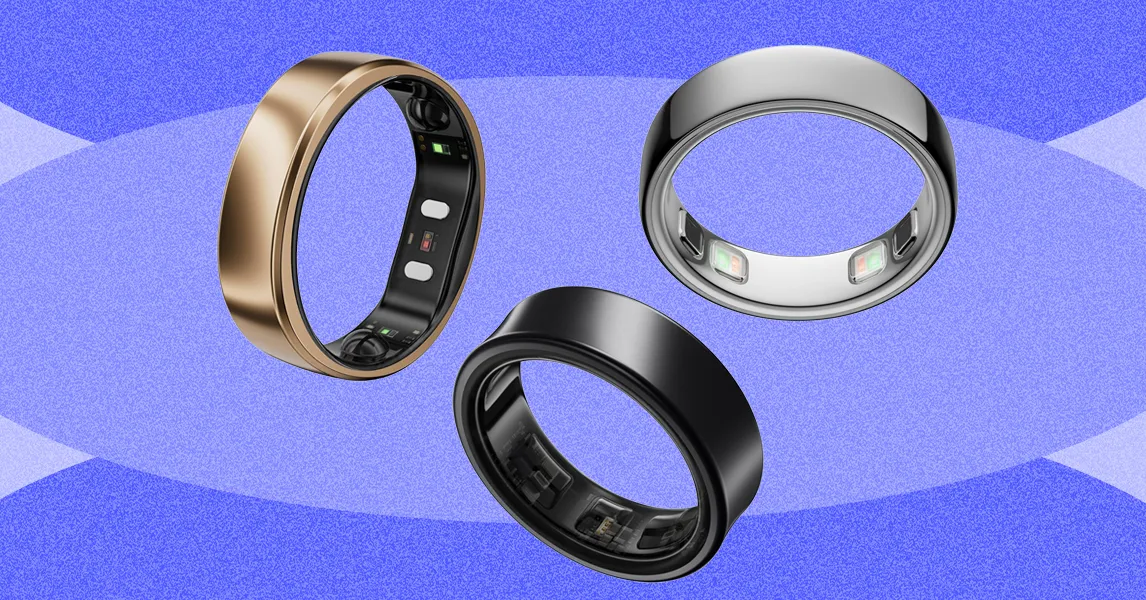
It looks similar to a traditional ring but contains miniature sensors that monitor different signals while the user sleeps.
Depending on the model, a sleep tracking ring may monitor:
- Total sleep duration
- Estimated sleep stages
- Overnight heart rate
- Heart rate variability (HRV)
- Blood oxygen levels
- Respiratory rate
- Skin temperature trends
- Nighttime movement
The collected information is transferred to a compatible smartphone application, where users can review sleep summaries and observe changes over time.
Unlike a traditional alarm clock or basic sleep tracker, a smart ring can combine sleep information with other wellness measurements.
Most models do not have a display. This allows them to focus on background tracking rather than notifications and screen-based interaction.
How Does a Sleep Tracking Ring Work?
A sleep tracking ring uses small sensors to collect information from the body and detect movement during the night.
Different manufacturers use different sensor combinations, but several technologies are commonly found in smart rings.
Optical Heart Rate Sensors
Optical sensors use light to collect information related to blood flow beneath the skin.
This information can help estimate heart rate and, in supported devices, blood oxygen levels.
During sleep, these measurements can provide additional information about overnight patterns.
Motion Sensors
Motion sensors detect movement and changes in position.
They help a ring estimate periods of activity and rest, which contribute to its sleep tracking calculations.
For example, movement patterns may help the device distinguish between periods of relative stillness and movement during the night.
Temperature Sensors
Some sleep tracking rings monitor changes in skin temperature.
These measurements can help users observe personal temperature patterns over time and may support additional wellness features.
Temperature readings are not the same as direct body temperature measurements.
Smartphone Applications
The companion application organizes the information collected by the ring.
Depending on the device, users may see:
- Sleep duration summaries
- Estimated sleep stages
- Overnight heart rate trends
- HRV information
- Respiratory measurements
- Historical sleep patterns
A useful application should present this information clearly so users can understand their habits without needing to interpret complicated data.
Benefits of Using a Sleep Tracking Ring
A sleep tracking ring can be useful for people who want to understand their nighttime routines and become more aware of their general wellness.
1. Understand Your Sleep Duration
One of the main benefits of a sleep tracking ring is the ability to review how long you sleep.
People often underestimate their actual sleep duration because they do not always remember when they fell asleep or woke up during the night.
A tracking device can provide an estimate of total sleep time and help users recognize patterns.
For example, someone may discover that their weekday sleep schedule is consistently shorter than their weekend routine.
2. Review Estimated Sleep Stages
Some smart rings estimate different sleep stages, such as light sleep, deep sleep, and REM sleep.
These estimates can help users observe how their nighttime patterns change over time.
However, consumer wearables do not measure sleep stages in the same way as a professional sleep study. Their results should be treated as estimates rather than exact clinical measurements.
3. Monitor Overnight Heart Rate
Many sleep tracking rings collect heart rate information during the night.
Reviewing these measurements over time can help users understand their personal patterns and notice changes associated with different routines.
Heart rate trends may be influenced by physical activity, stress, sleep schedules, and other everyday factors.
4. Observe Heart Rate Variability
Heart rate variability, commonly known as HRV, describes variations in the time between consecutive heartbeats.
Some smart rings monitor HRV during sleep and present the information through their applications.
Users can review personal trends and compare measurements across different nights. HRV should not be interpreted as a standalone measure of health or recovery.
5. Build More Consistent Sleep Habits
Sleep tracking can make everyday habits easier to recognize.
For example, someone may notice that staying up late is associated with shorter sleep duration or that an irregular schedule makes it harder to maintain consistent rest.
This information can encourage practical changes, such as maintaining regular bedtimes and reducing unnecessary distractions before sleeping.
Smart Watch vs Smart Ring: What Is the Difference?
Smartwatches and smart rings both offer sleep tracking, but their designs and everyday experiences are different.
A smartwatch is worn around the wrist and usually includes a digital display. A smart ring fits around a finger and generally collects information in the background.
Here is a comparison of their main features.
| Feature | Sleep Tracking Ring | Smartwatch |
| Design | Small finger-worn device | Wrist-worn device |
| Display | Usually no screen | Usually includes a screen |
| Sleep tracking | Available on many models | Available on many models |
| Heart rate monitoring | Available on many models | Available on many models |
| HRV monitoring | Available on many models | Available on many models |
| Notifications | Generally limited | Often supports calls and messages |
| Battery life | Often several days | Varies by model |
| Overnight comfort | Compact design may suit overnight wear | Depends on size and wrist comfort |
| Activity tracking | Available on many models | Often includes dedicated workout modes |
| Smartphone interaction | Primarily through an app | Through the watch and app |
The comparison shows that both devices can support sleep monitoring, but they serve slightly different purposes.
A smartwatch is more suitable for people who want a display, notifications, and additional interactive functions.
A sleep tracking ring may be preferable for people who want a smaller device focused on background tracking.
Which Is More Comfortable for Overnight Tracking?
Comfort is an important factor when choosing a sleep tracking device.
A wearable needs to remain comfortable throughout the night. Otherwise, users may remove it before sleeping, interrupting their tracking routine.
Smart Ring Comfort
Smart rings are generally smaller and lighter than smartwatches.
Their compact design can make them appealing to people who do not enjoy wearing a device around their wrist while sleeping.
However, the correct ring size is essential. A ring that is too tight or too loose may become uncomfortable and affect sensor contact.
Smartwatch Comfort
Some people find smartwatches comfortable enough to wear overnight, while others prefer removing them before bed.
The size of the watch, strap material, and overall weight can influence the experience.
Battery life is another consideration. Some smartwatches need more frequent charging, which may interrupt overnight tracking if users forget to recharge them.
The best option depends on personal comfort rather than the device category alone.
Smart Ring vs Smartwatch for Battery Life
Battery performance can influence how consistently a wearable device is used.
Many smart rings offer several days of battery life on a single charge. Some models also include charging cases that make recharging more convenient.
Smartwatch battery life varies widely. Basic models may last several days, while feature-rich devices with bright displays and frequent GPS use may require more regular charging.
For people who want to track sleep every night, a device with convenient battery performance can make the experience easier.
Always compare the manufacturer’s battery estimates and consider how features such as continuous monitoring, display settings, and vibration alerts affect actual usage.
Which Device Is Better for Daily Fitness?
The answer depends on the type of activity someone wants to monitor.
Smartwatches often provide dedicated workout modes, GPS-based tracking, and real-time information during exercise.
These features can be useful for runners, cyclists, and people who follow structured training programs.
Smart rings generally focus more on daily activity and background wellness monitoring.
Depending on the model, they may track steps, heart rate, estimated calories, and movement patterns.
Someone who wants detailed workout controls may prefer a smartwatch, while someone interested in everyday movement and sleep tracking may prefer a smart ring.
RingConn Gen 3: A Sleep Tracking Ring Worth Considering
For people comparing smart rings, RingConn Gen 3 is an option worth exploring.
It combines sleep tracking, activity monitoring, and additional wellness insights in a compact design. Its core features do not require a mandatory subscription, which can be useful for people who want to avoid recurring membership payments.
Sleep Duration and Stage Tracking
RingConn Gen 3 monitors sleep duration and estimated sleep stages.
Users can review their overnight information through the RingConn application and observe how their sleep patterns change over time.
This can help people become more aware of their routines and identify habits that may be worth improving.
Sleep Breathing Insights
Another feature of RingConn Gen 3 is Sleep Breathing Insights.
This feature provides information about overnight breathing patterns and trends, helping users become more aware of their breathing-related wellness patterns during sleep.
These insights are intended for general wellness awareness. They do not diagnose or detect sleep apnea and should not replace professional sleep testing or medical assessment.
Anyone experiencing symptoms such as repeated breathing interruptions during sleep or persistent daytime tiredness should seek advice from a qualified healthcare professional.
Heart Rate and HRV Monitoring
RingConn Gen 3 also supports heart rate and heart rate variability monitoring.
These measurements can provide additional information about overnight patterns and general wellness.
The companion application allows users to review available measurements and compare trends over time.
Blood Oxygen and Respiratory Rate
The ring supports blood oxygen (SpO₂) and respiratory rate monitoring.
These measurements add further information to its overnight tracking experience.
Like other consumer wearable measurements, results may vary and should not be used as a substitute for medical assessment.
Vascular Health Insights
RingConn Gen 3 includes vascular health insights based on nighttime vascular load patterns, optional manual blood pressure inputs, and lifestyle information.
These insights are intended to help users understand certain trends. They do not represent direct blood pressure measurements.
Smart Vibration Alerts
Unlike many earlier smart ring designs, RingConn Gen 3 includes a vibration feedback motor.
It supports selected alerts and reminders, including certain health-related changes, sedentary reminders, and low-battery notifications.
These features provide additional convenience without turning the ring into a smartwatch with a full notification display.
Battery Life and Design
A comfortable design and reliable battery performance are important for overnight tracking.
RingConn Gen 3 has a titanium alloy construction with medical-grade epoxy and PVD coating.
Its published specifications include:
- Approximately 2.5–3.5 grams in weight
- Minimum thickness of approximately 2.3 mm
- Up to 14 days of advertised battery life
- Around 10–12 days with vibration enabled
- Around 11–14 days with vibration disabled
- IP68 and 10ATM water-resistance specifications
- Universal wireless charging case
Actual battery performance depends on settings, ring size, and usage.
No Mandatory Subscription
RingConn Gen 3 does not require a mandatory subscription for its core tracking features.
This allows users to access the standard tracking experience without adding a recurring membership fee.
For people comparing a sleep tracking ring with a smartwatch, this is another factor worth considering alongside comfort, battery life, and available features.
Explore the official product page for current specifications, sizing options, and available finishes:
Explore RingConn Gen 3
How to Choose the Right Sleep Tracking Ring
Not every smart ring provides the same tracking experience. Before purchasing one, consider the following factors.
1. Check the Sleep Tracking Features
Start by checking which sleep measurements the device supports.
Some rings only provide basic sleep duration information, while others offer estimated sleep stages, overnight heart rate, HRV, and respiratory measurements.
Choose a model that matches your interests and expectations.
2. Consider Comfort and Sizing
A sleep tracking ring should feel comfortable during extended wear.
Check the available sizes, materials, and weight. Use the manufacturer’s sizing kit when available.
Do not assume that your regular jewelry size will match the smart ring’s sizing system.
3. Compare Battery Life
Look at the advertised battery life and charging options.
A ring that lasts several days between charges can be convenient for people who want regular overnight tracking.
Remember that additional features may affect actual battery performance.
4. Review the Companion App
The application is an important part of the experience because most smart rings do not have displays.
Check whether the app provides clear sleep summaries, historical trends, and easy-to-understand reports.
5. Check Subscription Requirements
Some wearable brands charge recurring fees for certain app features or detailed reports.
Before buying, confirm which tracking features are included in the initial purchase and whether any mandatory membership is required.
A subscription-free core experience may offer better long-term value.
Tips for Getting More Value From Sleep Tracking
A sleep tracking ring is most useful when users understand how to interpret its information.
Here are some practical ways to make the experience more helpful:
- Wear it consistently: Regular tracking can provide a clearer picture of personal sleep patterns.
- Maintain a regular bedtime: Consistent sleep schedules can make it easier to recognize changes in sleep duration.
- Review weekly trends: Avoid making decisions based on one unusual night’s readings.
- Choose the correct size: Proper fit supports comfort and sensor contact.
- Keep the ring charged: Follow the manufacturer’s charging instructions to reduce interruptions.
- Use the companion app: Learn what each measurement represents before interpreting the results.
- Focus on habits: Use tracking information to support practical improvements rather than chasing perfect scores.
Remember that consumer sleep trackers estimate sleep information. They cannot provide the same clinical assessment as a professional sleep study.
Frequently Asked Questions
1. What is a sleep tracking ring?
A sleep tracking ring is a wearable device that monitors sleep duration, estimated sleep stages, and selected overnight wellness measurements. It uses built-in sensors and a smartphone application to collect and present information.
2. Is a smart ring better than a smartwatch for sleep tracking?
A smart ring may be more comfortable for people who dislike wearing a larger device on their wrist overnight. However, some smartwatches also provide useful sleep tracking. The better choice depends on comfort, battery life, and the features available on each model.
3. Can RingConn Gen 3 detect sleep apnea?
No. RingConn Gen 3 includes Sleep Breathing Insights, which provides information about overnight breathing patterns and trends for general wellness awareness. These insights do not diagnose or detect sleep apnea, and they cannot confirm whether someone has a sleep-related breathing disorder. Anyone concerned about breathing interruptions during sleep should consult a qualified healthcare professional for appropriate medical assessment or sleep testing.
4. Does RingConn Gen 3 track sleep stages?
Yes. RingConn Gen 3 tracks sleep duration and estimated sleep stages, allowing users to review their overnight patterns through its companion application.
5. How long does RingConn Gen 3 battery last?
RingConn advertises up to 14 days of battery life. Published estimates indicate approximately 10–12 days with vibration enabled and 11–14 days with vibration disabled. Actual performance depends on usage and settings.
6. Does RingConn Gen 3 require a subscription?
No. RingConn Gen 3 does not require a mandatory subscription for its core features. Buyers should review the current product terms for details about any optional services.
7. Can I wear a smart ring and smartwatch together?
Some people choose to wear both devices because they offer different features. A smartwatch can provide notifications and workout controls, while a smart ring can focus on background wellness and sleep tracking. Check comfort and device compatibility before using both.
8. Are sleep tracking rings accurate?
Sleep tracking rings can provide useful estimates of sleep duration, stages, and selected overnight measurements. However, accuracy varies by device and individual. They should be used to understand general patterns rather than as replacements for clinical sleep assessments.
Final Thoughts
When comparing a smart watch vs smart ring, the right choice depends on what matters most in everyday life.
Smartwatches offer interactive screens, notifications, workout modes, and additional applications. Smart rings provide a smaller and more discreet way to monitor sleep and selected wellness measurements.
For people who prioritize overnight comfort and background tracking, a sleep tracking ring may be a practical option.
RingConn Gen 3 is worth considering because it combines sleep tracking, heart rate monitoring, Sleep Breathing Insights, and additional wellness features in a compact design. Its core features also do not require a mandatory subscription.
Before choosing a wearable, compare its comfort, sizing, battery life, tracking capabilities, and app experience. The most useful device is the one that fits naturally into your routine and helps you understand your habits without creating unnecessary distractions.