Twitch, Kick or YouTube: How to Choose the Right Platform for Your Live Stream
Choosing where to stream is one of the first decisions a new creator makes, and one of the most important. The platform shapes who finds you, how they find you and what kind of content works. A stream that thrives in one place can struggle in another.
There is no single right answer. Twitch, YouTube and Kick each have strengths, and the best choice depends on your content, your goals and how much time you can invest. This guide compares them from a practical point of view and explains how to get your first viewers wherever you land.
Why the Platform Choice Matters
Every platform has its own discovery system. On some, viewers browse live categories and click on whatever looks interesting. On others, most traffic comes from search results and recommendations that keep working long after the stream ends.
That difference affects everything: how you title your broadcasts, how long you stream, whether you need to edit videos and how quickly you can expect to grow. Picking a platform that matches your strengths saves months of frustration.
Before comparing options, answer three questions for yourself:
- Do you want to stream live only, or also publish edited videos?
- Is your content built around a specific game, or around your personality and conversation?
- How many hours a week can you realistically commit?
Keep your answers in mind as you read the sections below.
Twitch: The Classic Home of Live Streaming
Twitch is built entirely around live content. Its culture, tools and community features are designed for real-time interaction: chat emotes, channel points, raids and a large ecosystem of third-party bots and extensions.
The main strength of Twitch is its live audience. Many viewers open the site specifically to watch someone play, chat or create in real time. For streamers who enjoy long sessions and constant interaction, it feels natural.
The main weakness is discovery for small channels. Category directories tend to put channels with more viewers near the top, so a new stream can be hard to find in popular games. Growth on Twitch usually depends on choosing the right category, building a loyal core audience and promoting your stream outside the site.
YouTube: Search, Archives and Long-Term Discovery
YouTube combines live streaming with the world’s largest video library. A live broadcast can be found through search, recommended next to related videos and watched later as a recording. Clips can be published as Shorts and reach people who have never heard of you.
This makes YouTube attractive for creators who are willing to edit. A tutorial, a guide or a highlight video can keep bringing new viewers for months, and some of them will turn up at your next live stream.
The trade-off is that live chat culture on YouTube is often less intense than on Twitch, and a live-only channel without videos may grow slowly. YouTube rewards creators who treat live streams as one part of a broader content strategy.
Kick and Other Growing Platforms
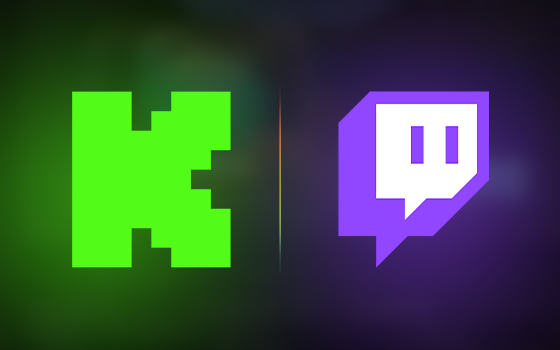
Kick has grown quickly as an alternative for live streamers, and newer or regional platforms such as VK Video Live attract their own audiences. Smaller platforms can offer a real advantage: less competition in each category and a better chance of being noticed early.
The risks are the other side of the same coin. Audiences are smaller, rules and monetization terms can change faster, and some sponsors may be less familiar with these platforms. If you choose a newer platform, keep your community connected elsewhere too, for example in a Discord server, so you are not dependent on a single site.
Matching the Platform to Your Content
A few patterns help narrow the choice. Competitive gamers and variety streamers who enjoy long sessions often feel at home on Twitch or Kick. Educational creators, such as coaches, tutors and tech reviewers, usually benefit from YouTube, where their live sessions can be found through search for years. Creators who want to test an idea quickly may start on a smaller platform where categories are less crowded.
Whatever you choose, look at the top channels in your niche on each site and ask whether your style fits what their audiences already watch.
Multistreaming: Pros and Cons
Some creators broadcast to several platforms at once using restreaming tools. This can multiply your exposure and help you test where your content performs best.
It also has costs. Managing several chats at the same time is difficult, viewer numbers are split across platforms, and each site has its own rules on simultaneous streaming, especially for partners and affiliates. Read the current terms before you start, and consider testing one platform at a time before committing to all of them.
Getting Your First Viewers on Any Platform
Whichever platform you choose, the first viewers are the hardest to win. The basics are the same everywhere: a fixed schedule, clear audio, honest titles and short clips posted on social media after every stream.
Many streamers also use paid promotion to break the zero-viewer barrier. Services such as Stream Promotion work with Twitch, Kick, YouTube and VK Video Live and can raise a broadcast’s live viewer count, followers or chat activity, which helps a stream climb higher in category lists. The site also has free streamer tools, including OBS overlays and a bitrate calculator. You can find it at https://stream-promotion.ru/en/.
If you try promotion, start with a small test, keep numbers in proportion to your real chat and track what matters: new followers and returning viewers. Also read each platform’s rules on artificial engagement and decide what level of risk is acceptable for your channel.
Conclusion
Twitch suits streamers who love live interaction, YouTube rewards creators who also publish videos, and Kick and other newer platforms offer room to stand out early. None of them guarantees an audience.
Pick the platform that fits your content and schedule, commit to it for at least a few months and measure your progress honestly. The right platform makes growth easier, but consistency is what makes it happen.