The Complete Guide to Aesthetic Generator Tools in 2026
Once Charli XCX proved in June 2024 that a neon-green square with lowercase Arial could redefine an entire cultural moment, a generation of creators realized something simple: you don’t need Adobe subscriptions or design school to build a real visual identity anymore. What you need is the right generator. The right template. The right meme-adjacent tool that turns thirty seconds of typing into content that actually looks like you.
Since then, aesthetic generator tools have quietly become one of the most-used categories of software on the internet. Brat cover generators. Meme template makers. Font styling tools. Filter apps. Aesthetic photo editors. This article covers what these tools actually are, how Gen Z creators are using them across platforms in 2026, which ones have earned real cultural staying power, and what separates a viral aesthetic tool from a forgettable one.
What Are Aesthetic Generator Tools and Why Are They Everywhere?
Aesthetic generator tools are simple web or mobile apps that let anyone create visually distinctive content — album-cover-style graphics, styled text, meme templates, custom fonts, aesthetic photo edits — without needing traditional design skills or expensive software. They’ve become everywhere because they collapsed the gap between having a visual idea and being able to execute it, exactly at the moment when social platforms demanded more visual output from ordinary users than ever before.
The category isn’t entirely new. Meme generators have existed since Impact-font “top text bottom text” days. Filter apps go back to early Instagram. What changed after 2024 was the volume, variety, and cultural weight these tools started carrying.
The Brat moment specifically demonstrated something important. When Charli XCX released her album cover — a plain neon-green square with the word “brat” in lowercase blurred Arial — creators immediately built tools that let anyone generate their own version. Bratgen.io and similar platforms produced millions of user-created variations within weeks. What started as a music campaign became a template for identity expression.
That pattern repeats across the category now. A visual trend appears. Creators build tools to remix it. The tools become part of how Gen Z actually communicates online. This loop happens faster and more organically than any traditional design software company can match.
The reasons for the explosion in aesthetic generators come down to a few interlocking factors:
Social platform demands. Instagram, TikTok, Twitter/X, and Discord all reward visual distinctiveness. Users who can generate custom visuals stand out from users who post plain text or default templates.
Design software friction. Photoshop and Illustrator are expensive, complex, and mobile-hostile. Canva helped but still requires design thinking. Aesthetic generators strip everything down to “type your text, click generate, share the result.”
Meme-native creativity. Gen Z learned design through memes. Meme culture rewards fast, low-fidelity, remix-ready visual language. Aesthetic generators produce exactly this kind of output.
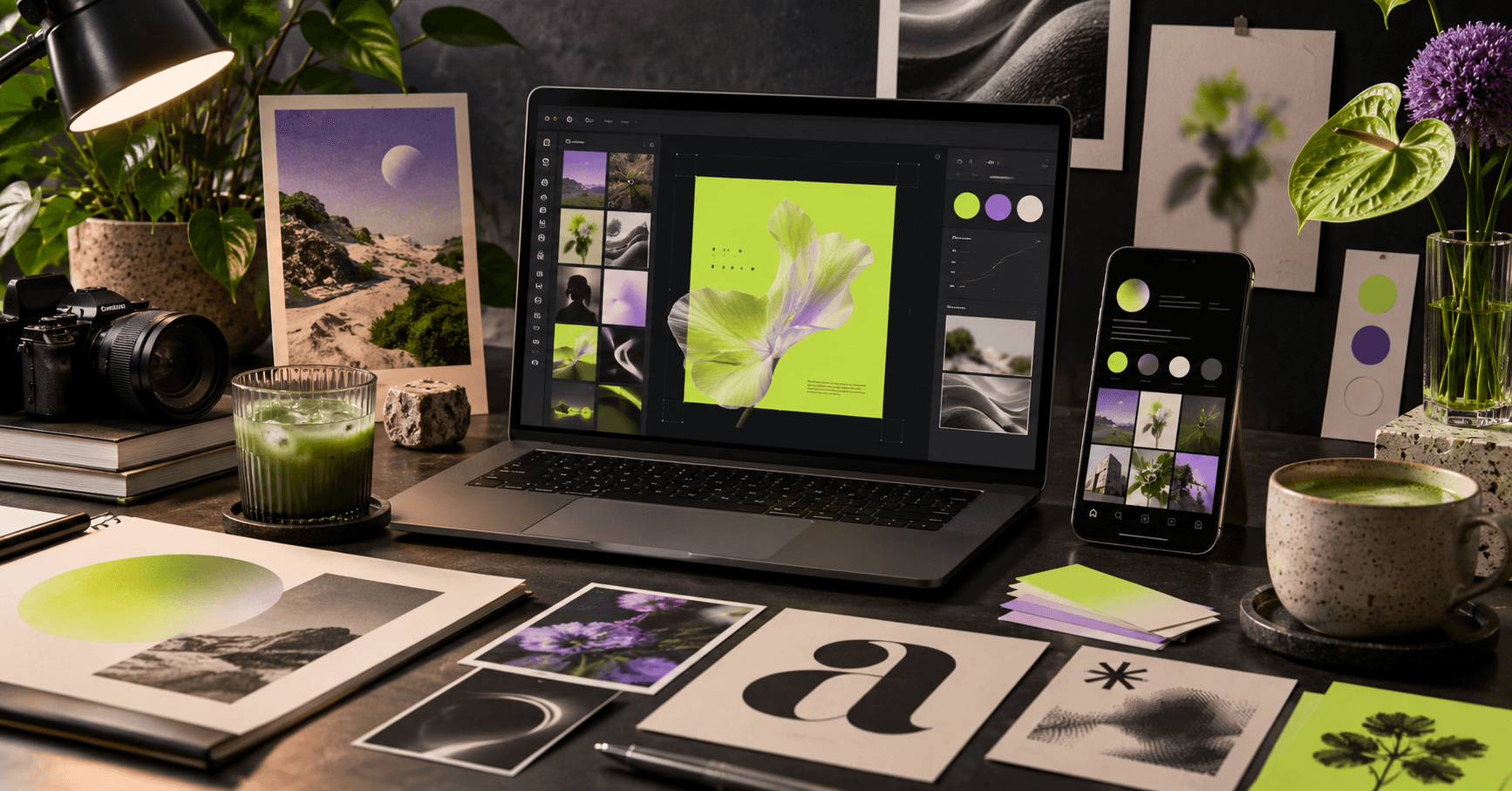
Identity signaling. In an era where personal brand matters for social currency, being able to consistently produce visuals in a specific aesthetic (dark academia, y2k, coquette, weirdcore, cottagecore) requires either serious design skill or the right generator.
Speed. A Brat cover, a stylized bio, a meme template — all can be generated in under a minute. This matches how Gen Z actually creates content.
The tools that thrive in this space share consistent traits. They’re free or very cheap. They work on mobile browsers without app installation. They produce output that’s immediately shareable. And they let users make something that feels personally distinctive rather than templated.
How Do Gen Z Creators Actually Use Aesthetic Generator Tools?
Gen Z creators use aesthetic generator tools to build complete visual identities across platforms — not just one-off graphics, but coherent aesthetic ecosystems that carry a consistent look through Instagram bios, TikTok covers, Discord profiles, meme posts, and gaming usernames. The most effective creators layer multiple tools together to produce a unified visual language rather than relying on any single generator.
Here’s the actual workflow that experienced Gen Z creators follow.
Step 1: Define the aesthetic first. Before picking tools, creators identify the specific vibe they’re going for. Dark academia. Y2K revival. Cottagecore. Weirdcore. Clean minimalism. Bratcore. This choice shapes every subsequent tool decision.
Step 2: Build the visual anchor. For most creators, this means creating something distinctive as their profile image, cover art, or pinned post. Bratgen-style generators fit here perfectly — they let you produce cover art that carries your specific aesthetic in seconds. Photo edits, filter apps, and aesthetic template tools all serve this role for different visual styles.
Step 3: Style the text elements. Once the visual anchor is set, the next layer is text — bios, captions, usernames, taglines. This is where tools like copyandpastefonts.org enter the workflow. Creators use them to generate Unicode-based stylized text — cursive scripts for personal brand names, bold gothic for edgy accounts, small caps for editorial vibes — that reinforces the visual aesthetic they’ve already established. A dark academia profile with a gothic-styled name feels intentional. The same profile with plain text feels like it’s missing something.
Step 4: Create meme and template content. For posting content regularly, meme generators and template tools produce shareable graphics that maintain the aesthetic. Some creators build entire content strategies around specific templates.
Step 5: Extend across platforms. The strongest visual identities carry consistent elements across Instagram, TikTok, Twitter, Discord, and wherever else the creator posts. Using the same fonts, same color palette, same visual references across platforms creates recognition.
Step 6: Refresh periodically. Aesthetic identities aren’t static. The same creator might refresh their entire visual identity every few months as trends shift or personal taste evolves. The right tools make this refresh cycle painless rather than exhausting.
For creators just starting to think this way, the most useful realization is that a personal aesthetic is a system, not an image. Individual generators produce individual outputs. But the choice of which generators to use, in what combinations, with what consistency — that’s what actually builds identity.
The creators with the most distinctive online presences in 2026 aren’t the ones with the fanciest tools. They’re the ones who picked a specific aesthetic direction and used a small set of generators consistently enough that their profiles became instantly recognizable to their audience.
Which Aesthetic Generator Categories Matter Most in 2026?
The aesthetic generator categories that matter most in 2026 fall into six areas: cover and album-style graphic generators (Bratgen and similar), text styling and font tools, meme template generators, aesthetic photo editors and filter apps, avatar and profile picture generators, and gaming-specific username and banner tools. Different creators combine these differently depending on their platform focus and aesthetic direction.
Below is a look at the main categories, what each does, and where they fit in a creator’s workflow.
| Category | Purpose | Example Use Case | Where It Lives in Creator Workflow |
| Cover/Album Generators | Create distinctive graphic-style covers | Brat-style covers, Spotify wraps, event posters | Profile art, pinned posts, TikTok covers |
| Text/Font Generators | Style text using Unicode variations | Cursive bios, gothic usernames, aesthetic captions | Bios, captions, usernames, decorative separators |
| Meme Template Tools | Generate meme graphics from templates | Reaction memes, format memes, trend memes | Content posts, tweets, Discord shares |
| Photo Editors/Filters | Apply aesthetic filters and edits | Y2K photo grain, film effects, aesthetic overlays | Feed posts, story content |
| Avatar Generators | Create custom profile pictures | Anime-style avatars, aesthetic PFPs | Profile images across platforms |
| Username Generators | Style gaming/platform usernames | Discord tags, Roblox names, Fortnite tags | Gaming platform identity |
| Color Palette Tools | Generate aesthetic color schemes | Coordinated visual identity | Underlying design decisions |
| Aesthetic Sound Tools | Create playable audio branding | Intros for TikTok, jingles for content | Audio identity across platforms |
A few observations on the categories that have most cultural weight right now.
Cover and album-style generators exploded specifically after the Brat moment. Before 2024, this category barely existed as a distinct product type. Now it’s one of the fastest-growing aesthetic tool categories, with Bratgen and similar platforms proving that anyone can produce cover-style graphics without design software. Adjacent tools generate similar cover styles for other visual movements — cottagecore covers, dark academia covers, y2k retro covers.
Text and font generators occupy a specific niche in the ecosystem. They don’t produce graphics — they produce styled Unicode text that can be pasted anywhere. Tools like copy and paste fonts generate hundreds of variations of standard letters using the Unicode Standard’s decorative character library. Creators use them to add typographic distinctiveness to bios, captions, and usernames that would otherwise be plain text. This category is less flashy than cover generators but arguably more universally useful, since every profile on every platform includes text somewhere.
Meme template tools remain the largest category by volume of use. From ImgFlip to Kapwing to niche meme generators, these tools produce most of the visual content that circulates on social platforms daily. The best modern meme generators integrate trending templates automatically, so creators can jump on viral formats without hunting for templates.
Photo editors and filter apps have matured dramatically since early Instagram. Modern apps like VSCO, Dazz Cam, Huji Cam, and dozens of aesthetic-specific filter tools let creators apply specific visual styles — 90s film grain, y2k digital haze, cottagecore warmth — to any photo. This category is where a lot of Gen Z’s actual photo content gets its distinctive look.
Avatar generators have grown alongside the shift toward pseudonymous online identity. Rather than using photos, many creators now use generated avatars — anime style, pixel style, illustrated portraits, AI-generated variations. Tools like Picrew, Toonify, and various AI portrait generators serve this need.
Username generators matter specifically for gaming platforms and Discord servers where a distinctive username is social currency. Different platforms have different character rules, so specialized username generators produce output filtered to fit each platform.
Color palette tools support all other tool categories by helping creators build coherent visual identities. Coolors, Adobe Color, and various aesthetic palette generators let creators lock in a color scheme that carries through their profile art, edits, and text choices.
The tools that matter most vary by creator, but the pattern of using multiple categories in combination is consistent across successful Gen Z creators.
What Makes an Aesthetic Tool Actually Spread?
The aesthetic generator tools that achieve genuine cultural spread share consistent traits: they tie into a specific cultural moment or aesthetic subculture, they produce output that’s immediately shareable and remixable, they work in mobile browsers without app installation, they give users enough customization to feel personal without being overwhelming, and they get discovered organically through creator communities rather than paid marketing.
Here’s what actually separates viral aesthetic tools from forgettable ones.
Tied to a specific cultural moment. Bratgen worked because it caught a specific viral moment. Tools tied to fleeting trends can rise fast but often fall equally fast. The ones that last usually tie into deeper aesthetic subcultures rather than passing memes.
Immediately shareable output. If a user has to save, edit, and reformat what a tool produces before posting, adoption stalls. The tools that spread produce output that’s ready to paste or download and post directly.
Remixable. The strongest aesthetic tools invite modification. Users don’t just use them once — they generate variations, share their outputs, and use the tools to comment on other outputs. This creates community around the tool rather than just isolated use.
Mobile-first. Gen Z creates most content on phones. Tools that require desktop use for anything essential lose most of their potential audience immediately. Web-based tools that work seamlessly on mobile browsers have a massive advantage.
Zero friction. No signup requirements for basic use. No mandatory app installation. No credit card. The tools that spread let users get to their first successful output within thirty seconds of arriving at the site.
Personal customization without overwhelm. Enough options to feel like you made something specifically yours. Not so many options that new users freeze on the choice. This balance is subtle but consistently separates successful tools from confusing ones.
Organic discovery. The most viral aesthetic tools spread through creator recommendations, TikTok tutorials, and Discord shares — not through paid ads. Tools that try to buy their way into cultural relevance almost never succeed. Tools that earn creator recommendations often go viral for free.
A distinctive visual output. Generic tools that could produce anything usually produce nothing memorable. The tools that spread have a specific visual signature — Brat’s neon green Arial, Duolingo’s owl mascot, specific font tool styles that get repeatedly identified by design community. Distinctive output creates recognition.
Free or extremely cheap. Gen Z creators generally won’t pay for aesthetic tools unless the tool is clearly premium quality and other free options don’t exist. Free tools reach mass audiences; paid tools serve niche professional users.
Longevity through updates. Tools that ship once and never update fade quickly as aesthetic trends move. Tools that add new templates, new styles, and new features quarterly stay relevant across trend cycles.
The tools most likely to matter in the next few years share these traits. The ones that miss two or three usually never achieve cultural staying power regardless of how clever their initial concept was.
Frequently Asked Questions
What sparked the aesthetic generator boom?
The Brat aesthetic moment in June 2024 was the specific cultural spark, but the underlying conditions had been building for years — the rise of social platforms demanding constant visual output, mobile-first content creation, Gen Z’s meme-native design literacy, and dissatisfaction with expensive traditional design software. The Brat moment simply made the demand visible.
Are aesthetic generator tools free to use?
Most reputable aesthetic generator tools are free, ad-supported, and require no signup. Cover generators, font tools, meme templates, and username generators all typically offer free tiers that cover most creator needs. Paid tiers usually add advanced features like removing watermarks, bulk generation, or premium templates but aren’t required for standard use.
Do aesthetic tools work on both iPhone and Android?
Most web-based aesthetic generators work equally well on both platforms since they run in mobile browsers rather than as native apps. Some tools do offer native apps that add features like local file access or push notifications, but the core functionality is usually available across all mobile devices with modern browsers.
Can I use aesthetic generator outputs commercially?
This depends on the specific tool and its terms of service. Many aesthetic generators grant users full rights to their outputs. Some restrict commercial use to premium subscribers. A few claim rights to user-generated content in their terms. Reading the terms before using outputs commercially is worth the two minutes.
Which aesthetic generator category should I start with?
Start with whichever category matches your biggest content gap. If your profile art is weak, start with cover generators. If your bios and captions look plain, start with text and font tools. If your posts feel generic, start with meme templates or filter apps. Building one strong category is more effective than sampling five weakly.
Will these aesthetic tools still matter in a few years?
The specific tools that dominate now will change. The category as a whole is here to stay. The underlying dynamics — social platforms demanding visual output, Gen Z’s design literacy, mobile-first creation, free-tool expectations — aren’t reverting. New aesthetic movements will produce new generator tools. The Brat moment was one instance of a pattern that will keep repeating.
What This Means for Creators Building Aesthetic Identities
The aesthetic generator boom isn’t a passing trend. It’s how a generation of creators actually builds visual identity in 2026, and the tools that emerged from the Brat moment are just the beginning of a much larger shift in how design gets made online.
For creators thinking about their own visual identity, the practical starting point is smaller than most guides suggest. Pick a specific aesthetic direction you actually connect with. Identify two or three tool categories that support that direction. Use them consistently across platforms for months rather than jumping between styles. Trust that recognition builds slowly but durably.
The creators with the most distinctive online presences right now aren’t the ones with the most tools or the most current trends. They’re the ones who picked a direction, built a small toolkit, and stayed disciplined about how they use it. Aesthetic identity is a system, not a moment.
The Brat aesthetic reminded a generation that anyone with the right tool can define visual culture — that design isn’t gatekept by software licenses or design school credentials anymore. Aesthetic generator tools are the practical expression of that shift, and the creators who take them seriously produce online presences that feel intentional in ways that plain-text profiles cannot match.
That’s the point of the whole category. Not novelty. Not gimmick. A genuine expansion of who gets to shape how digital culture looks. The tools are free, the barrier is low, and the visual identities being built with them will define what the next generation of internet culture looks like.
Start small. Stay consistent. Let the aesthetic build over time. The rest is detail.