Anyone Can Make a Brat Graphic in 10 Seconds. So What Makes a Team Good at AI?
When the brat look took over the internet, brands rushed to join in. Lime green posts showed up from coffee shops, banks, sports teams and software companies. Some were genuinely funny. Others felt like someone in a meeting said “we need to do the brat thing” and nobody stopped to ask why.
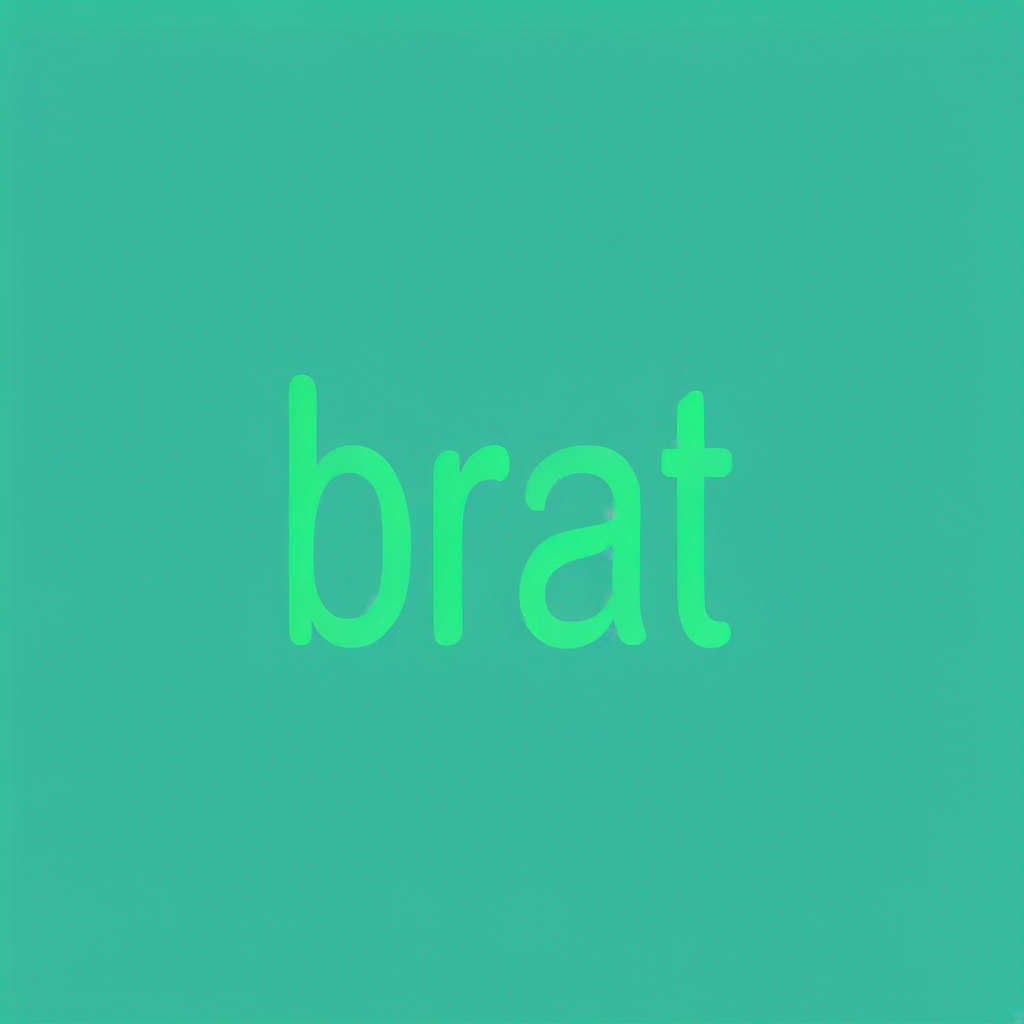
What’s interesting is how fast it all happened. A few years ago, jumping on a visual trend meant briefing a designer, waiting for drafts, and going back and forth on fonts. Now a social media manager can type a line of text into a brat image generator, download the image, and post it before lunch. Add an AI writing tool for the caption and an AI video tool for a quick clip, and a whole trend campaign can go live in an afternoon.
That speed is great. But it also hides a problem many teams don’t notice until something goes wrong. The tools are easy. Using them well is not.
The tools got simple. The judgment didn’t.
Here’s a pattern that plays out in a lot of marketing teams right now.
Someone discovers an AI tool that saves them hours. They share it in the team chat. Within a month, half the team uses it in some way. A few people use it brilliantly, a few use it carelessly, and a few avoid it because they don’t trust it. Nobody really knows who is doing what.
The result is uneven work. One person’s AI-written captions sound sharp and on-brand. Another’s sound like every other brand on the internet. One person checks AI-generated facts before posting. Another doesn’t, and a wrong statistic ends up in a public post.
None of this is about the tool itself. It’s about skill. More specifically, it’s about AI fluency.
What AI fluency actually means
AI fluency isn’t the same as knowing which buttons to press. Pressing buttons is the easy part, and tools change every few months anyway.
Being fluent with AI looks more like this:
- Knowing when to use it. A brat-style post for a light, playful product launch? Great idea. A brat-style post about a serious customer issue? Probably not. Fluent people can tell the difference.
- Writing clear instructions. The quality of what AI gives you depends heavily on what you ask for. Fluent users give context, examples and limits instead of one vague line.
- Checking the output. AI tools can sound confident and still be wrong. Fluent people treat the first draft as a draft, not a finished piece.
- Protecting the brand voice. They edit AI text until it sounds like the company, not like a generic chatbot.
- Handling data responsibly. They don’t paste customer details or private plans into public AI tools without thinking.
Notice that none of these skills are about design or technology. They’re about judgment. That’s exactly why they’re hard to see from the outside.
Why trends make the gap more obvious
Trend content is where weak AI skills show up fastest. Trends move quickly, so teams feel pressure to post before the moment passes. That pressure makes people skip steps.
Think about what a good brat-style post actually needs. The lime green background and blurry lowercase text are the easy part. Plenty of people already know the brat font look by heart. The hard part is the idea behind it. Does the joke fit your audience? Does the caption sound like you? Is the trend still fresh, or did it peak three weeks ago?
An AI tool can generate twenty caption ideas in seconds. Picking the right one, and knowing when none of them are good enough, is a human skill. Teams with strong AI fluency use the speed to try more ideas and then choose carefully. Teams without it just post faster, and the mistakes go out faster too.
Find out where your team really stands
Most managers have a rough sense of who is “good with AI” on their team. But rough senses are often wrong. The loudest AI fan isn’t always the most skilled user, and the quiet person who never mentions it might be using it better than anyone.
That’s why it helps to measure instead of guess. A short AI fluency assessment can show where each person stands, from basic awareness to confident, careful everyday use. Instead of one big training session for everyone, you can see who needs help with the basics, who needs better habits around checking output, and who is ready to teach others.
This matters for a few practical reasons:
- Training time goes where it’s needed. Advanced users don’t sit through a beginner session, and beginners don’t get lost in an advanced one.
- Risks become visible. If the assessment shows that people aren’t checking AI output, you know where a public mistake is most likely to come from.
- Progress becomes measurable. Running the same check again after a few months shows whether training is actually working.
It also changes the conversation inside the team. Instead of “some of us use AI and some don’t,” it becomes “here’s where we are, and here’s where we want to be.”
Building better AI habits, one trend at a time
Once you know where your team stands, you don’t need a huge program to improve. Small habits make a big difference, and trend content is a good place to practice them.
Start every AI task with a short brief. Before generating anything, write two or three sentences: who it’s for, what tone you want, and what to avoid. It takes a minute and improves results a lot.
Make one person the final editor. For quick trend posts, agree that someone always does a last read before anything goes live. That person checks facts, tone and timing.
Save what works. When a prompt produces a great caption or image idea, save it in a shared doc. Over time you build a library that reflects your brand, which makes the next trend easier.
Talk openly about mistakes. If an AI-generated post misses the mark, discuss what went wrong without blame. Was the prompt too vague? Was the output not checked? These conversations build fluency faster than any tutorial.
Keep a human in the creative loop. Let AI handle the repetitive parts, like resizing graphics, drafting variations or summarizing comments. Keep the core idea and the final call with people who understand your audience.
What this looks like in practice
Picture a small team planning a brat-style post for a product launch.
The social manager uses an image generator to mock up five header ideas in a few minutes. A copywriter asks an AI tool for caption options, but gives it the brand’s tone guide and three past posts as examples. The draft captions are decent, so the copywriter edits the best one until it sounds like the brand. Then a team lead does a final check: is the joke clear, is the timing right, does anything in the post need a fact check?
The whole thing takes an hour instead of a week. But it isn’t fast because people cut corners. It’s fast because everyone knows what AI is good at and where they still need to think for themselves.
That’s AI fluency in a nutshell. It isn’t about having the newest tools. It’s about using the tools you have with good judgment.
The bottom line
Trends like brat show how easy content creation has become. Anyone can make a striking graphic in seconds, and that’s a good thing. But easy tools raise the bar on everything around them: the idea, the timing, the voice and the care that goes into each post.
The teams that win aren’t the ones with the most AI tools. They’re the ones who know how to use them well, and who take the time to find out where their skills really stand. Start there, and the next trend becomes a chance to show what your team can do, not just how fast it can post.