How AI Photo Editors Are Changing the Way We Edit Images
Photo editing has come a long way from the days of manually adjusting sliders for hours to get the perfect shot. Today, artificial intelligence has stepped into the creative process, allowing anyone, regardless of skill level, to produce polished, professional looking images in a fraction of the time.
Whether you are a hobbyist, a small business owner, or a content creator, understanding how these tools work can help you make better decisions about which one suits your needs. This article explores the rise of AI powered photo editing, the features that matter most, and how to choose the right tool for your workflow.
The Rise of AI Powered Editing Tools
Traditional photo editing software required a steep learning curve. Understanding layers, masks, curves, and color grading took years of practice to master. AI has changed that equation entirely. Modern tools, such as the Imagvio AI photo editor, use machine learning models trained on millions of images to automatically detect subjects, adjust lighting, remove unwanted elements, and enhance overall composition, often with a single click.
This shift has democratized photo editing. People who never had the time or patience to learn complex software can now achieve results that once required professional expertise. Businesses benefit too, since marketing teams and small shops can produce consistent, high quality visuals without hiring a dedicated designer for every project. As more platforms adopt AI driven features, the gap between amateur and professional level editing continues to shrink.
Key Features to Look For in an AI Photo Editor
Not all AI photo editors are created equal, and knowing what to look for can save you time and frustration. Below are some of the most important features worth considering.
Automatic Background Removal
One of the most requested features in any editing tool is background removal. AI models can now identify the edges of a subject with remarkable precision, separating it from the background in seconds. This is especially useful for e commerce product photos, portraits, and social media content where a clean, distraction free background makes a noticeable difference.
Smart Enhancement and Color Correction
Lighting conditions are rarely perfect, and manually correcting exposure, contrast, and color balance can be tedious. AI enhancement tools analyze the image and apply adjustments that make the photo look natural, rather than over processed. This is particularly valuable for photographers who shoot in variable conditions and need consistent results across a batch of images.
Object Removal and Retouching
Unwanted objects, blemishes, or distractions in the background can ruin an otherwise great photo. AI powered retouching tools can identify and remove these elements while intelligently filling in the space with content that matches the surrounding area, a task that once required advanced manual editing skills.
Style Transfer and Filters
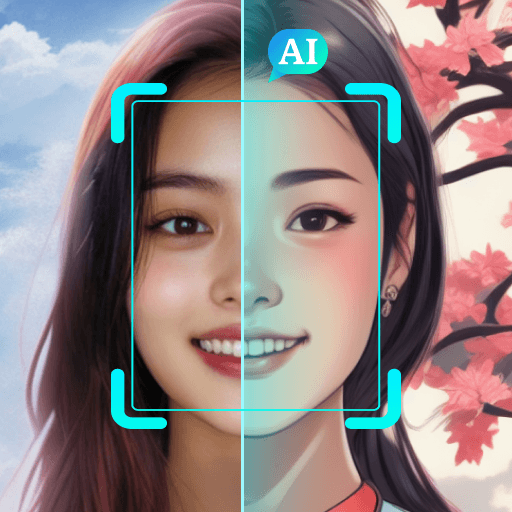
Many users enjoy experimenting with different artistic styles, from vintage film looks to modern, vibrant color grading. AI models can apply these styles convincingly, adapting them to the specific lighting and composition of each photo rather than applying a generic overlay.
Batch Processing
For businesses and content creators managing large volumes of images, batch processing is essential. AI tools that can apply the same set of adjustments across dozens or hundreds of photos save significant time, ensuring consistency across an entire catalog or portfolio.
Benefits of Using AI in Photo Editing
The advantages of adopting AI powered editing go beyond simple convenience.
Time Savings: Tasks that once took hours can now be completed in minutes, freeing up time for other creative or business priorities.
Accessibility: Users without formal training in design or photography can still produce high quality results, lowering the barrier to entry for content creation.
Consistency: AI tools apply adjustments uniformly, which is particularly helpful for brands that need a cohesive visual identity across multiple platforms.
Cost Efficiency: Hiring a professional editor for every project can be expensive. AI tools offer a more affordable alternative, especially for individuals and small businesses operating on tight budgets.
Scalability: As demand for visual content grows, especially on social media and e commerce platforms, AI editing tools allow users to scale their output without a proportional increase in time or cost.
Considerations Before Choosing a Tool
While AI photo editors offer many benefits, it is worth keeping a few things in mind before committing to one. First, consider the learning curve, even AI tools vary in how intuitive their interfaces are. Second, check whether the tool supports the file formats and resolutions you typically work with, since some platforms may compress or limit output quality. Third, think about whether you need cloud based access or a desktop application, as this can affect speed and file security. Finally, review the pricing structure carefully, since some tools charge per image, per month, or offer tiered plans based on usage volume.
Testing a few options through free trials or demo versions can also help you understand which interface and feature set aligns best with your workflow before making a long term commitment.
The Future of AI in Visual Content Creation
As machine learning models continue to improve, the capabilities of AI photo editors are expected to expand further. Future developments may include more advanced video editing integration, real time collaborative editing, and even more accurate object recognition that can distinguish between subtle details within an image. Voice activated editing commands and further personalization based on a user’s editing history are also areas of ongoing development in this space.
The integration of AI into creative workflows is not about replacing human creativity, but rather about removing repetitive, technical barriers so that people can focus on the artistic and storytelling aspects of their work. As these tools mature, they are likely to become an even more standard part of everyday photography and content creation, both for individuals and businesses.
Conclusion
AI photo editing has transformed what was once a technical, time consuming process into something accessible to nearly anyone with a photo and an idea. From background removal to smart color correction, these tools handle the heavy lifting so users can focus on the creative side of their work. Platforms like the Imagvio AI photo editor illustrate how far this technology has come, offering features that once required years of professional training. As you consider which tool fits your needs, take time to evaluate the features, pricing, and usability that matter most to your specific projects. With the right AI photo editor in hand, producing polished, professional quality images has never been more within reach.