
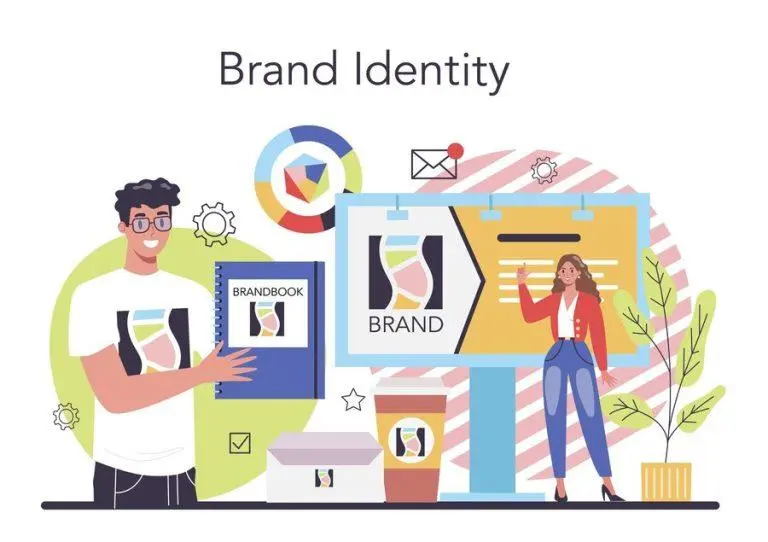
What Branding Really Means in the Modern Digital Age
Branding used to be simple. A recognizable logo, a catchy slogan, and maybe a memorable TV commercial were often enough to build awareness. Today, branding is far more dynamic. In a world shaped by social media, digital experiences, and instant customer feedback, branding has evolved into something deeper than visuals alone.
Modern branding is no longer just about how a business looks. It is about how people feel when they interact with a company online and offline. Every touchpoint matters, from a website’s loading speed to the tone used in customer support emails. Businesses that understand this shift are the ones creating stronger emotional connections and long-term customer loyalty.
A growing number of marketers and branding professionals now agree that branding is not simply a design exercise. It is the complete perception people develop over time. One recent discussion on Reddit described branding as “the sum of every interaction someone has with you,” highlighting how consistency across all channels shapes audience trust.
Branding Is More Than a Logo
For many years, businesses focused heavily on visual identity. For many years, businesses focused heavily on visual identity. Logos, typography, color palettes, and tools such as a logo generator became the centerpiece of branding efforts. While visual design still matters, it is only one part of a much larger picture.
Even today, the importance of visual identity remains a major part of how audiences recognize and remember businesses online.
Modern consumers interact with brands across multiple platforms every single day. They might discover a company through Instagram, visit its website through Google search, subscribe to its newsletter, and later contact customer support. Each of these experiences contributes to the brand image in the customer’s mind.
This is why businesses today invest in consistency across digital channels. Customers expect brands to sound familiar whether they are reading a blog article, watching a TikTok video, or opening a marketing email. According to branding experts, a brand voice represents the stable personality of a business, while tone changes depending on context and audience.
The most successful companies understand that branding is not what a company says about itself. It is what customers remember after interacting with the business.
The Rise of Digital-First Branding
The digital era has completely transformed how brands communicate. In the past, businesses controlled most of the conversation through traditional advertising. Today, audiences participate in shaping brand perception through reviews, social media comments, online discussions, and user-generated content.
This shift has made authenticity one of the most important elements of modern branding. Consumers can quickly recognize when a company appears overly scripted or disconnected from its audience. Brands that communicate naturally and consistently tend to build stronger trust over time.
Social platforms have also forced businesses to adapt their communication styles. A tone that works well on LinkedIn may feel too formal for TikTok or Instagram. Branding experts often describe this as maintaining a consistent voice while adjusting tone based on the platform and audience expectations.
Companies that fail to adapt often struggle to remain relevant. Digital audiences move quickly, and branding now requires flexibility without losing identity.
Why Consistency Matters More Than Ever
Consistency is one of the defining characteristics of strong modern brands. However, consistency does not mean repeating the exact same message everywhere. Instead, it means maintaining recognizable values, personality, and communication patterns across all channels.
Many businesses struggle with “brand drift,” where different teams produce content that feels disconnected from the company’s identity. Marketing experts note that this often happens when brands rely on vague guidelines instead of practical communication systems.
This is where professional brand and identity design becomes increasingly valuable. A strong brand identity creates a clear foundation that helps businesses maintain consistency across websites, advertising campaigns, social media, packaging, and customer experiences. Without that foundation, even visually attractive brands can appear fragmented or forgettable.
Consistency builds familiarity, and familiarity builds trust. When customers know what to expect from a brand, they are more likely to return and recommend it to others.
Emotional Connection Is the New Competitive Advantage
One major difference between traditional branding and modern branding is the emphasis on emotional connection. People are no longer choosing brands based only on price or product quality. They are choosing brands that reflect their values, lifestyles, and aspirations.
Modern consumers want brands to feel human. They respond to businesses that communicate with clarity, empathy, and authenticity. This emotional layer influences purchasing decisions more than many companies realize.
Research and industry discussions consistently show that customers remember how brands make them feel. Whether it is confidence, excitement, trust, or inspiration, emotional reactions shape long-term loyalty.
This is especially important in highly competitive industries where products and services may appear similar. Branding becomes the differentiator that separates memorable businesses from forgettable ones.
Branding in the Age of AI and Content Saturation
The rise of AI-generated content and mass digital publishing has created another challenge for businesses: standing out in an overcrowded online space. Thousands of brands now produce blogs, videos, newsletters, and social posts every day.
As content volume increases, audiences pay more attention to originality and clarity. Brands with a distinct voice are easier to recognize, even in crowded markets. Experts note that businesses with clearly defined communication systems are more likely to maintain consistency while scaling content production.A website design agency can help businesses create a consistent visual identity that makes their content easier to recognize across different digital channels.
This means branding today is not just a marketing strategy. It is a business asset that influences visibility, reputation, and customer retention.
Final Thoughts
In today’s competitive market, customer perception and branding can directly influence long-term business growth and customer retention.
Branding in the modern digital age is far more than aesthetics. It is the complete experience people associate with a business. From communication style and customer support to social media presence and website usability, every interaction shapes perception.
The strongest brands today are not necessarily the loudest or most expensive. They are the ones that remain clear, authentic, and consistent across every customer touchpoint.
As digital competition continues to grow, businesses that invest in meaningful branding will have a major advantage. A strong brand is no longer optional. It is one of the most valuable tools a company can build for long-term growth and recognition.