
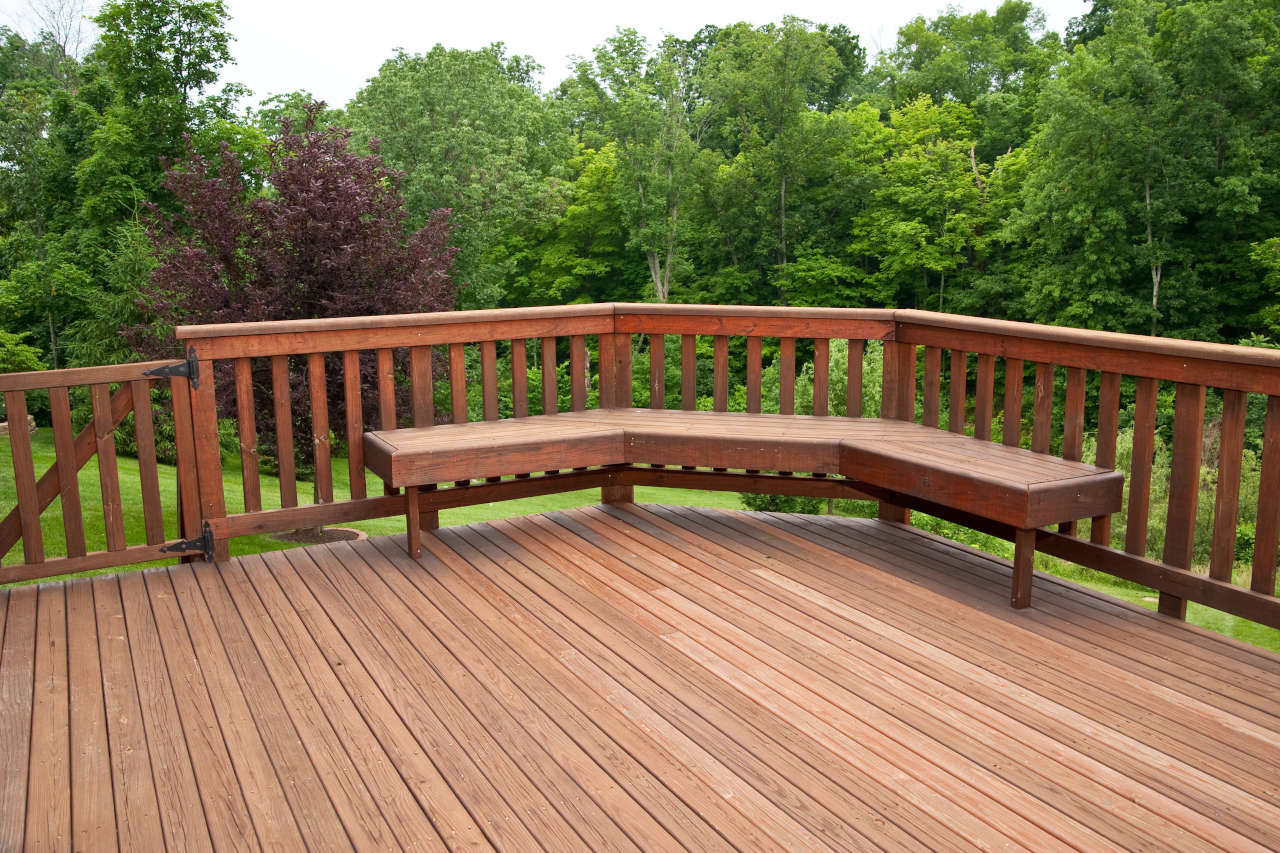
How to Estimate Your Deck Project Budget With a Deck Cost Calculator
Building a deck can transform an outdoor area into a comfortable space for relaxing, entertaining guests, and enjoying time with family. However, before construction begins, it is important to understand how much the project may cost. Deck prices can vary significantly depending on size, materials, design, labor, site conditions, and additional features.
A deck cost calculator can provide a convenient starting point for estimating your potential project budget. While it cannot replace a professional quote, it can help homeowners understand the major expenses involved and prepare financially for the project.
Start With the Deck Size
The size of your deck is one of the biggest factors affecting the overall budget. Larger decks require more decking boards, framing materials, fasteners, labor, and potentially more site preparation.
Start by measuring the proposed deck’s length and width. For a basic rectangular deck, multiply these dimensions to determine the approximate square footage.
For example:
20 feet × 12 feet = 240 square feet
Once you know the approximate size, you can use it as a starting point when researching material and installation costs.
Choose Your Decking Material
The type of decking material you select can have a major impact on the final price. Common options include pressure-treated wood, cedar, composite, and other engineered decking products.
Wood decking can offer a traditional appearance and may have a lower initial material cost. Composite decking typically requires less ongoing maintenance but can have a higher upfront price.
When comparing materials, consider more than the purchase price. Maintenance requirements, expected lifespan, cleaning, staining, sealing, and potential replacement costs can all affect the long-term value of your choice.
Estimate Framing and Structural Materials
The visible decking surface is only one part of the structure. A deck also requires framing components, posts, beams, joists, hardware, and other structural materials.
The amount required depends on the deck’s dimensions, height, design, and local construction requirements. A raised deck may require substantially more structural work than a simple ground-level platform.
A preliminary calculator can help you account for these categories, but structural details should ultimately be confirmed by a qualified professional.
Factor in Labor Costs
Labor is another important part of a deck budget. Installation costs can vary depending on the project’s complexity, location, accessibility, and contractor experience.
A simple rectangular deck may require less labor than a multi-level design with stairs, railings, built-in seating, or unusual angles.
When requesting quotes, make sure you understand what the labor estimate includes. Some contractors may provide a comprehensive installation price, while others may separate labor, materials, site preparation, and additional services.
Consider Site Preparation
The condition of the construction site can affect your budget. Before a deck can be built, the area may need to be cleared, leveled, excavated, or prepared for footings.
If the property has uneven terrain, difficult access, existing structures, or extensive vegetation, preparation may require additional labor and equipment.
These expenses can be easy to overlook when creating an initial estimate, so it is useful to include a separate allowance for site preparation.
Account for Railings and Stairs
Railings and stairs can add significant costs to a deck project. The requirements will depend on the deck’s height, layout, and local building regulations.
Railings may be made from wood, composite, metal, glass, or other materials. Similarly, stairs can range from simple designs to more elaborate configurations.
When estimating your budget, include these features rather than focusing only on the deck’s floor area.
Include Permits and Inspections
Depending on your location and project specifications, you may need building permits or inspections before and during construction.
Permit requirements can vary based on factors such as deck height, structural design, property location, and local regulations. Check with the appropriate local authority before construction begins.
Including permit-related expenses in your preliminary budget can help prevent unexpected costs later.
Add Features That Improve Functionality
Many homeowners choose to customize their decks with additional features. These upgrades can make the space more attractive and functional but can also increase the total project cost.
Potential additions include:
- Built-in benches
- Outdoor lighting
- Privacy screens
- Pergolas
- Planter boxes
- Decorative railings
- Outdoor kitchens
- Fire features
- Storage areas
- Stairs and multiple deck levels
When using a deck cost calculator, consider these features separately so you can see how much they may contribute to the overall budget.
Plan for Long-Term Maintenance
The initial construction price is not the only expense to consider. Different decking materials have different maintenance requirements.
Wood decks may need periodic cleaning, staining, or sealing. Composite materials generally require less maintenance, although they still need regular cleaning and care.
Thinking about future maintenance can help you compare the true cost of different materials instead of choosing based solely on the initial purchase price.
Build an Emergency Budget
Unexpected expenses can occur during construction. Soil conditions, drainage issues, damaged structures, material changes, or design adjustments may increase the project’s cost.
For this reason, it is sensible to include a contingency amount in your budget. Having additional funds available can make it easier to handle unforeseen expenses without disrupting the project.
Compare Professional Estimates
After creating a preliminary budget, request estimates from qualified deck contractors. Comparing multiple quotes can help you understand local pricing and identify differences in materials, labor, warranties, and project scope.
Make sure each contractor is estimating the same basic project. A lower quote may not actually be less expensive if it excludes important components such as railings, stairs, permits, or site preparation.
Use the Calculator as a Planning Tool
A calculator is most useful during the early planning stage. It can help homeowners experiment with different deck sizes, materials, and features before committing to a final design.
For example, you can compare the potential budget for a smaller wood deck against a larger composite deck. You can also see how adding stairs, railings, or other features may change the estimated cost.
This makes it easier to prioritize the improvements that matter most to you.
Conclusion
Estimating a deck budget involves much more than calculating the price of decking boards. Size, materials, framing, labor, site preparation, railings, stairs, permits, maintenance, and optional features can all influence the final investment.
Using a deck cost calculator can give you a practical starting point and help organize these expenses before you contact contractors. Once you have a preliminary estimate, professional quotes and detailed project plans can provide a more accurate understanding of what your specific deck will cost.
With careful planning and a realistic budget, you can create an outdoor space that fits both your property and your financial goals.