Font Finder for Posters: Find Matching Fonts Quickly
Discover how a font finder for posters helps identify and match fonts instantly, creating stronger, more professional designs.
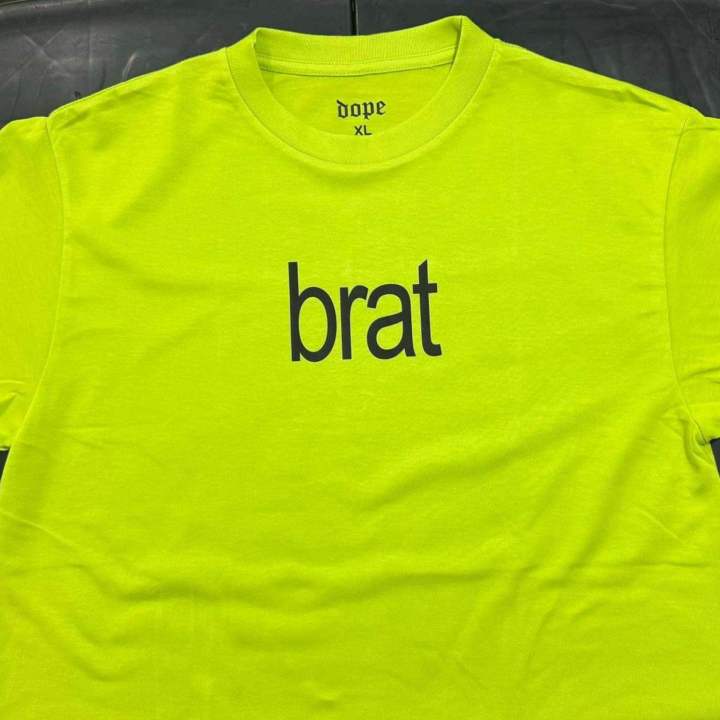
A font finder for posters helps identify and match fonts from current poster designs, pictures, screenshots, and artwork.
One of the fastest solutions is Findfont, which analyzes typography and recommends highly accurate font matches within seconds, helping designers recreate, improve, or expand poster concepts effectively.
I remember staring at a concert poster mounted on a café window and feeling something strange. I didn’t notice the colors first, I noticed the letters.
I wasn’t reading them. I was studying them.
The thick curves. The sharp edges. The way one typeface seemed to give a word more personality than the entire image surrounding it.
Then came the real challenge: How do you find that font?
Not something similar. Not something “close enough.” The actual typeface, or at least an almost identical match.
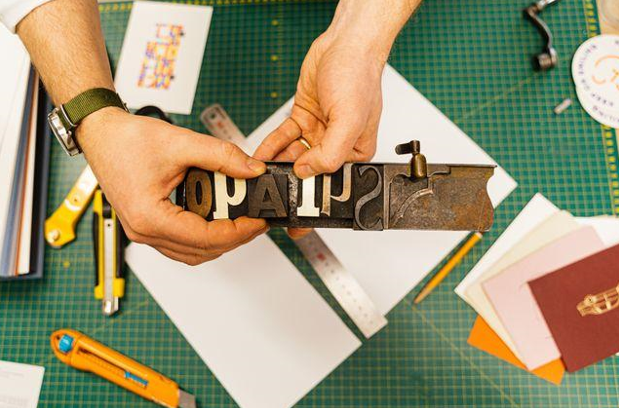
For years, designers relied on memory, experience, and endless scrolling through font libraries. Today, font-finding technology has completely changed the process.
Modern font recognition systems can analyze typography from posters, screenshots, logos, advertisements, and other printed materials, then recommend matching fonts in seconds.
Many leading font identification platforms now use AI-driven image recognition to compare letterforms against databases containing thousands, or even millions, of fonts.
But searching for poster fonts is not just about identification.
It’s about understanding why they work in the first place.
Before diving deeper, an excellent resource for understanding typography fundamentals is Nielsen Norman Group’s typography usability guide.
Why Poster Fonts Matter More Than Most People Realize
A poster often has less than three seconds to capture attention.
That isn’t much time.
The font becomes the voice of the design before anyone even reads the message itself.
Imagine a horror movie poster that uses a pleasant handwritten font. It may be technically readable, but it feels emotionally confusing.
Or imagine a luxury fashion poster using a playful comic-style typeface. It might attract attention, but perhaps not the right kind.
Typography creates expectations instantly.
Research on contextual font recommendations has shown that font selection strongly influences how viewers interpret visual messages and intentions.
Fonts don’t just communicate information; they communicate mood, trust, and identity.
This explains why applying the right font match is so important when redesigning or expanding an existing poster design.
What Is a Font Finder for Posters?
A font finder is a tool that identifies fonts from visual samples.
Instead of manually searching through thousands of fonts, users simply upload a poster image, screenshot, or photograph.
The system analyzes:
- Letter shapes
- Character proportions
- Stroke thickness
- Curves and angles
- Spacing patterns
- Typography structure
It then compares those characteristics against extensive font databases to produce matching results.
Modern font-finding platforms can identify fonts from logos, packaging, advertisements, scanned documents, and posters with remarkable speed.
Think of it as facial recognition technology.
Except instead of identifying people, it identifies letterforms.
How Font Finder Technology Actually Works
Step 1: Text Detection
The software first isolates the text from the poster image.
This sounds simple until you consider reality.
Posters often contain:
- Distorted text
- Shadows
- Background textures
- Perspective angles
- Multiple font styles
The tool must separate typography from visual noise before analysis can begin.
Step 2: Character Analysis
Next comes pattern recognition.
The system studies individual characters and compares unique traits.
For example, a lowercase “g” can reveal more about a font than an entire word.
Its tail shape, bowl structure, and stroke transitions act as typography fingerprints.
Step 3: Font Database Comparison
Modern font databases contain thousands to millions of font records.
Some identification platforms compare uploaded samples against libraries containing both commercial and free typefaces.
The software calculates similarity scores and ranks potential matches.
Exact matches appear first.
Near matches follow closely behind.
Step 4: Alternative Recommendations
Interestingly, many designers don’t always choose the exact font.
Sometimes they discover something better.
A font finder often becomes a creative exploration tool rather than simply an identification system.
Why Poster Font Identification Can Be Surprisingly Difficult
Here’s the part no one talks about.
Poster fonts are rarely used exactly as they were designed.
Designers often:
- Adjust character spacing
- Modify kerning
- Add effects
- Create custom substitutions
- Alter letterforms
This creates a gap between the original font and the final appearance.
Even advanced recognition systems can struggle when typography has been heavily modified.
Discussions among typography professionals frequently highlight situations where human expertise identifies altered fonts more accurately than automated tools.
In other words:
The software is looking for a font.
The designer is looking for a design decision.
Those are not always the same thing.
Common Poster Font Categories You’ll Encounter
Display Fonts
Built for impact.
These fonts command attention and work exceptionally well for headlines.
Examples include bold condensed styles, dramatic serif designs, and highly expressive lettering.
Sans-Serif Fonts
Clean. Modern. Direct.
Popular choices such as Bebas Neue, Anton, and Montserrat are favorites because they maintain visibility from long viewing distances.
Serif Fonts
Serifs add sophistication and authority.
They often appear in cultural event promotions, luxury branding, and educational posters.
Script Fonts
These create personality and emotion.
Used carefully, they add uniqueness and elegance.
Overused, however, they can become difficult to read.
Font Finder for Posters vs. Manual Font Searching
| Feature | Font Finder | Manual Search |
| Speed | Seconds | Hours |
| Accuracy | High | Depends on skill |
| Font Database Access | Extensive | Limited |
| Alternative Suggestions | Yes | Rare |
| Beginner-Friendly | Very | Moderate |
| Scalability | Excellent | Poor |
For experienced typographers, manual searching is still valuable.
For everyone else, modern font finders dramatically shorten the path from inspiration to execution.
Practical Tips for Better Font Matches
Use High-Resolution Images
Clear letterforms produce better results.
Blurry screenshots can confuse recognition systems.
Crop Around the Text
Remove unnecessary design elements.
The less visual noise present, the better the match quality.
Focus on Distinctive Characters
Typography experts often find that letters such as A, K, W, and N provide stronger identifying features than common rounded letters.
Test Multiple Variations
Sometimes rotating, straightening, or slightly adjusting an image can dramatically improve identification accuracy.
The Future of Poster Font Discovery
Font identification technology continues to evolve rapidly.
Artificial intelligence can now recognize typography patterns that once required years of design experience to understand.
Yet something fascinating remains true.
Even the most advanced recognition systems still struggle with certain nuanced font-recognition challenges.
Recent academic research suggests that font identification remains a surprisingly complex visual problem, even for sophisticated AI models.
This means the future is not about replacing human designers.
It’s about empowering them.
A font finder handles the detective work.
The designer still makes the final call.
And perhaps that’s exactly how it should be.
Typography has always been part science and part instinct.
The tools are becoming smarter.
The creative decisions remain wonderfully human.
Key Takeaways
- A font finder for posters identifies fonts from images, screenshots, logos, and other printed designs.
- Modern font finders use AI-driven recognition systems to compare typography against extensive font databases.
- High-quality poster images significantly improve matching accuracy.
- Font identification works best when text is clear and distractions are removed.
- While exact matches are valuable, alternative recommendations often lead to even better design solutions.
- Poster typography affects mood, trust, attention, and brand perception before the words are fully read.
- Tools like FindFont help designers find similar fonts quickly while reducing hours of manual searching.