
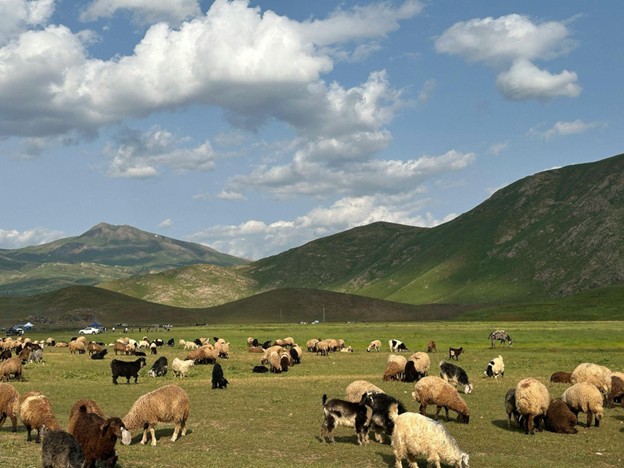
How to Use a Sheep Gestation Calculator for Accurate Lambing Dates
Sheep farming requires careful planning, especially when it comes to breeding and lambing. Knowing when a ewe is expected to give birth helps farmers prepare suitable housing, arrange proper nutrition, monitor animal health, and provide timely care during delivery. Although sheep generally have a predictable pregnancy period, the exact lambing date can vary depending on several factors.
A sheep gestation calculator is a useful tool for estimating when a pregnant ewe will give birth. By entering the breeding or mating date, farmers can calculate an expected lambing date and organize their flock management activities more efficiently. Whether you raise sheep on a small farm or manage a large commercial flock, understanding how to use this tool can make the lambing season easier to manage.
In this guide, we will explain how sheep gestation works, how to use a calculator accurately, which factors influence lambing dates, and how to prepare your flock for healthy lambing.
Understanding Sheep Gestation
Gestation is the period between conception and birth. In sheep, the average gestation period is approximately 147 days, or about five months. However, pregnancy can vary slightly from one ewe to another, with many pregnancies lasting around 142 to 152 days.
Several factors can influence the length of pregnancy, including breed, litter size, ewe age, nutrition, and individual differences. For example, ewes carrying twins or triplets may sometimes deliver earlier than those carrying a single lamb.
Understanding the typical gestation period is essential for predicting lambing dates. However, counting days manually for every ewe can become difficult when managing a large flock. This is where a sheep gestation calculator becomes particularly helpful.
What Is a Sheep Gestation Calculator?
A sheep gestation calculator is a simple online tool that estimates a ewe’s expected lambing date based on the date of mating or breeding. Most calculators use the average gestation period of approximately 147 days to generate the estimate.
Instead of manually counting nearly five months on a calendar, farmers can enter a breeding date and receive an estimated delivery date within seconds.
Depending on the tool, additional features may include a gestation timeline, pregnancy milestones, reminders, and information about preparing for lambing.
Using a sheep gestation calculator can help farmers organize breeding records, identify which ewes are approaching delivery, and plan resources before lambing begins.
Although the calculator provides a useful estimate, it cannot guarantee the exact birth date. Farmers should use the result as a planning guide and continue monitoring their animals throughout pregnancy.
How to Use a Sheep Gestation Calculator Step by Step
Using a gestation calculator is straightforward. Following a few simple steps can help you obtain a reliable estimate and use the result effectively.
1. Record the Breeding Date
The first step is to identify the date when the ewe was mated or inseminated. This date serves as the starting point for calculating the expected lambing date.
If a ewe was exposed to a ram over several days, the exact conception date may be uncertain. In that situation, record the breeding period and understand that the calculated date is an estimate rather than a precise prediction.
Accurate breeding records are particularly important when several ewes are bred during the same season.
2. Enter the Date Into the Calculator
Open your chosen sheep gestation calculator and enter the mating or breeding date in the appropriate field. Some calculators may also ask for breed information or allow you to adjust the gestation period.
If the calculator uses the standard 147-day gestation period, it will add 147 days to the breeding date to estimate when lambing should occur.
Check that the date format is correct before submitting the information. Entering the wrong month or year can produce an inaccurate result.
3. Review the Estimated Lambing Date
Once you enter the required information, the calculator displays the expected lambing date.
For example, if a ewe is bred on October 1, 2026, adding 147 days gives an estimated lambing date of February 25, 2027.
This date provides a useful reference for scheduling feeding adjustments, preparing lambing areas, and increasing observation as delivery approaches.
Remember that the ewe may give birth several days before or after the estimated date.
4. Mark the Date in Your Farm Records
After calculating the expected lambing date, record it in a notebook, spreadsheet, or livestock management application.
Include the ewe’s identification number, breeding date, expected lambing date, breed, and any relevant health information.
For farms with many pregnant ewes, keeping these details organized makes it easier to identify animals approaching delivery and avoid overlooking important tasks.
5. Monitor the Ewe as Lambing Approaches
A calculator provides a date estimate, but physical observation remains essential. As the expected delivery date approaches, monitor the ewe for changes in behavior and physical appearance.
Common signs that lambing may be approaching include udder enlargement, swelling around the vulva, restlessness, separation from the flock, and changes in appetite. These signs do not establish an exact delivery time, but they can help farmers recognize the onset of labor.
If a ewe shows signs of illness, prolonged labor, or difficulty delivering, contact a veterinarian promptly.
Factors That Can Affect Sheep Lambing Dates
Even when you enter the correct breeding date, several factors may influence the actual lambing date.
Breed Differences
Different sheep breeds can have slightly different average gestation periods. Although approximately 147 days is a useful general estimate, farmers should consider breed-specific information when it is available.
Keeping records of previous pregnancies can also help you understand the typical lambing patterns within your flock.
Litter Size
The number of lambs a ewe carries can influence pregnancy length. Ewes carrying twins or triplets may lamb earlier than ewes carrying a single lamb, although this is not always the case.
Multiple pregnancies can also increase nutritional demands and the risk of complications, making careful monitoring especially important.
Nutrition and Body Condition
Proper nutrition supports fetal development and prepares the ewe for milk production after birth. Both underfeeding and excessive body condition can create management challenges during pregnancy.
Provide a balanced diet appropriate to the ewe’s stage of gestation, maintain access to clean water, and seek professional guidance when adjusting feed for pregnant animals.
Nutrition does not allow farmers to predict an exact birth date, but good management can support healthier pregnancies.
Accuracy of Breeding Records
One of the most common reasons for inaccurate lambing predictions is an uncertain mating date. When a ewe has access to a ram for an extended period, conception may occur on any of several days.
Recording the dates when the ram enters and leaves the breeding group helps establish a more useful lambing window.
How to Prepare for Lambing After Calculating the Date
Once you know the expected lambing date, you can begin preparing the ewe and the lambing area in advance.
Prepare a clean lambing space. Provide a dry, well-ventilated area with clean bedding and enough space for the ewe to deliver comfortably. Good hygiene helps reduce exposure to infectious organisms.
Review the ewe’s nutrition. Late pregnancy is an important period for fetal growth. Ensure that feed quality and quantity meet the ewe’s needs, and make dietary changes carefully.
Gather essential supplies. Keep clean towels, disposable gloves, suitable disinfectant, and a veterinarian’s contact information available. Any equipment used for assisting delivery should be appropriate and clean.
Check the ewe regularly. Increase observation as the expected date approaches, especially for ewes with a history of difficult births or multiple pregnancies.
Plan for newborn care. Newborn lambs should receive adequate colostrum as soon as possible after birth. Check that each lamb is breathing normally, stays warm, and can nurse effectively. Seek veterinary advice if a lamb is weak or unable to feed.
These preparations help farmers respond quickly when lambing begins and reduce the likelihood of preventable problems.
Common Mistakes to Avoid When Using a Gestation Calculator
Although gestation calculators are easy to use, a few mistakes can affect the accuracy of your predictions.
One common mistake is entering the wrong breeding date. Always verify the date against your farm records before calculating.
Another mistake is assuming that every ewe will give birth exactly 147 days after mating. This is an average, not a fixed biological rule. Treat the result as an estimated date and allow for natural variation.
Farmers should also avoid relying exclusively on calculator results without observing their animals. Changes in behavior, appetite, and physical condition may indicate that a ewe needs closer attention.
Finally, remember to update your records when new information becomes available. If veterinary examination or other reliable evidence changes your understanding of a ewe’s pregnancy, revise the expected lambing window accordingly.
Conclusion
Accurate lambing predictions are an important part of effective sheep farming. Understanding the average gestation period, maintaining reliable breeding records, and preparing for delivery can help farmers manage their flocks more efficiently.
A sheep gestation calculator simplifies the process by converting a recorded breeding date into an estimated lambing date. By combining this estimate with proper nutrition, regular observation, veterinary support, and careful farm planning, you can improve your readiness for the lambing season.
Remember that every ewe is different, and no calculator can predict the exact time of birth. Use the calculated date as a practical planning tool, monitor your animals closely, and prepare in advance to give both ewes and newborn lambs the best possible start.